


Clear Vision at Home
- Sushmita Viswanathan

- 6 days ago
- 3 min read
Updated: 1 day ago
Myopia, Healthy Habits & Family Eye Care for 2026

Why Eye Health Deserves a Place in Your New Year PlansA new year is about fresh starts — better routines, better balance, and better care for the people who matter most. Vision often gets overlooked until something feels wrong, yet clear sight plays a central role in learning, productivity, comfort, and overall wellbeing.
As 2026 begins, families are spending more time on screens, less time outdoors, and juggling tighter academic and work schedules. Making eye health a conscious resolution now can prevent avoidable strain and support stronger visual development in the years ahead.
Understanding Today’s Eye Health Challenges for Clear Vision
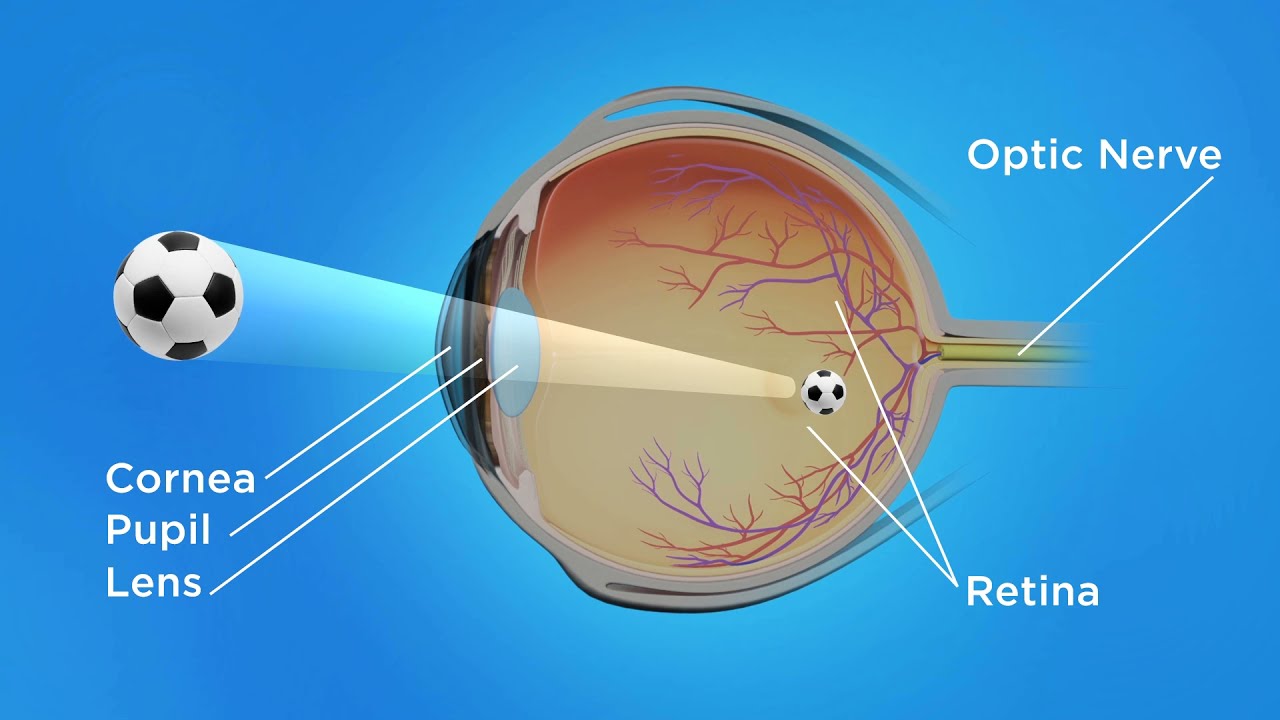
Myopia, or near-sightedness, is a vision condition where distant objects appear blurred because the eye grows longer than normal, causing light to focus in front of the retina.
Across India, early-onset myopia is becoming increasingly common, particularly in children between the ages of 5 and 14. Longer indoor hours, intensive near-work, and reduced outdoor exposure are key contributors.In urban centres like Bengaluru, where academic pressure and screen exposure begin early, families are seeing myopia develop at younger ages than before.
At the same time, digital eye strain affects children and adults alike — often showing up as headaches, tired eyes, dryness, blurred vision, or difficulty concentrating. Recognising these patterns early allows families to respond thoughtfully rather than reactively.
Myopia tends to progress gradually, which makes early awareness and consistent care especially important. Turning myopia management into a family resolution helps ensure children receive the right support at the right time.
Children should ideally have a comprehensive eye exam every year, or earlier if there are signs such as squinting, headaches, poor attention in class, or increased screen dependence.
Book a comprehensive eye exam: Regular eye checks help detect changes early and guide timely intervention.
Use the Myopia Risk Assessment Tool: A simple evaluation that considers family history, screen habits, outdoor time, and daily routines to identify a child’s risk of developing or progressing myopia.
Visit our Myopia Management Centre: Receive personalised guidance and evidence-based management plans from specialist optometrists.
Encourage outdoor play and mindful diet: Daily exposure to natural light and a nutritious diet support healthy visual development.
Create balanced screen routines: Balance study, play, and rest to reduce unnecessary strain on young eyes.
Invest in a DIY Vision Screening Kit: A convenient way to periodically monitor visual changes from the comfort of your home, helping you stay alert to early signs and know when a professional review may be needed.
Small, consistent actions make a meaningful difference — protecting your child’s vision today supports confidence and clarity tomorrow.
Consistent daily habits play a crucial role in reducing eye strain and supporting long-term visual health, especially for growing children.
Eye care doesn’t stop at eyewear. These simple habits can be built naturally into daily routines:
20-20-20 rule: Every 20 minutes, look 20 feet away for 20 seconds.
Daylight time: Natural light or spending more time outdoors (at least 1 to 2 hours daily), helps slow myopia progression.
Screen distance: Keep devices at arm’s length or better yet, use the TV to watch anything instead of a laptop/computer/tablet
Balanced lighting: Avoid harsh glare or dim rooms.
Daily wind-down: Reduce blue light exposure before bed.
These habits are realistic, family-friendly, and designed to fit naturally into everyday life.
Frequently Asked Questions About Family Eye Care
Can myopia be prevented in children?Yes it can if we are watchful of certain habits from an early age. In case of hereditary conditions then, myopia cannot always be prevented, early detection, outdoor time, and structured screen habits can significantly slow its progression.
How much screen time is safe for children?Balanced screen use with regular breaks, outdoor activity, and proper viewing distance is key — especially during school years.
When should families consider myopia management?As soon as myopia is detected, especially in children under 10, to achieve better long-term outcomes.
Why Choose S.R.Gopal Rao for Family Vision Care
With nearly nine decades of experience, S.R.Gopal Rao has supported generations of families through every stage of vision care. From children’s eye examinations and myopia management to protective eyewear and personalised guidance, our approach is thoughtful, proactive, and rooted in trust.
We help families plan ahead, so vision remains clear, comfortable, and confident through every phase of life.
Put vision at the heart of your family’s well being in 2026.Book an exam, learn about myopia management, and build habits that truly make a difference.
S.R.Gopal Rao, caring for every generation, one clear view at a time.




Comments